Learning isn’t limited to textbooks or classrooms. Some of the most powerful lessons come from what we see, feel, and experience. That’s exactly why school trips to museums are so important. Museums bring knowledge to life, turning abstract lessons into something tangible and memorable.
But why should students visit museums? Because museums are not just places with old things on display, they’re living classrooms full of stories, creativity, and discovery. Every artifact tells a tale, every exhibit sparks curiosity, and every visit leaves a lasting impression. Let’s explore the many reasons why should students visit museums and how these experiences shape their imagination, knowledge, and appreciation for the world.
Museums as Living Classrooms
One of the biggest reasons why should students visit museums is that they make learning come alive. Textbooks can only describe so much. But when students stand in front of a dinosaur fossil, an ancient sword, or a painting from centuries ago, they experience history and science in a whole new way.
Museums transform education into an adventure. They allow students to connect theory with reality and feel a sense of wonder about what they learn.
Take the Museum of Mewar in Udaipur, for example. It’s more than a building filled with royal treasures. It’s a journey through Rajasthan’s glorious past, where students can see weapons, paintings, and artifacts that belonged to the brave rulers of the Mewar dynasty. For young learners, such visuals make history real and unforgettable.
Understanding History and Culture
Another reason why should students visit museums is to help them understand their roots and appreciate different cultures. Museums preserve the art, traditions, and achievements of humankind. They are time machines that connect students to the past.
When students walk through the Museum of Mewar in Udaipur, they don’t just see artifacts they witness the royal lifestyle, the intricate artistry, and the evolution of culture in Rajasthan. They learn about their heritage in a way that no classroom lecture could ever teach.
This understanding helps them appreciate their culture and respect others. Museums remind students that every civilization, every community, and every artist has contributed to the world we live in today.
Sparking Curiosity and Critical Thinking
Curiosity is where all learning begins. One of the most exciting reasons why should students visit museums is that museums inspire children to ask questions. Every object on display makes them wonder who made it, how it was created, and what it meant in its time.
This curiosity leads to exploration and critical thinking. Museums encourage students to observe details, interpret meanings, and find connections between subjects. Whether they’re studying a fossil, a sculpture, or an old manuscript, they learn to think analytically and creatively at the same time.
Guided tours and interactive exhibits make this even more engaging. Students aren’t just looking; they’re exploring, learning, and understanding.
Boosting Creativity and Imagination
If there’s one place that can inspire a child to dream big, it’s a museum. That’s another reason why should students visit museums, they fuel creativity and imagination.
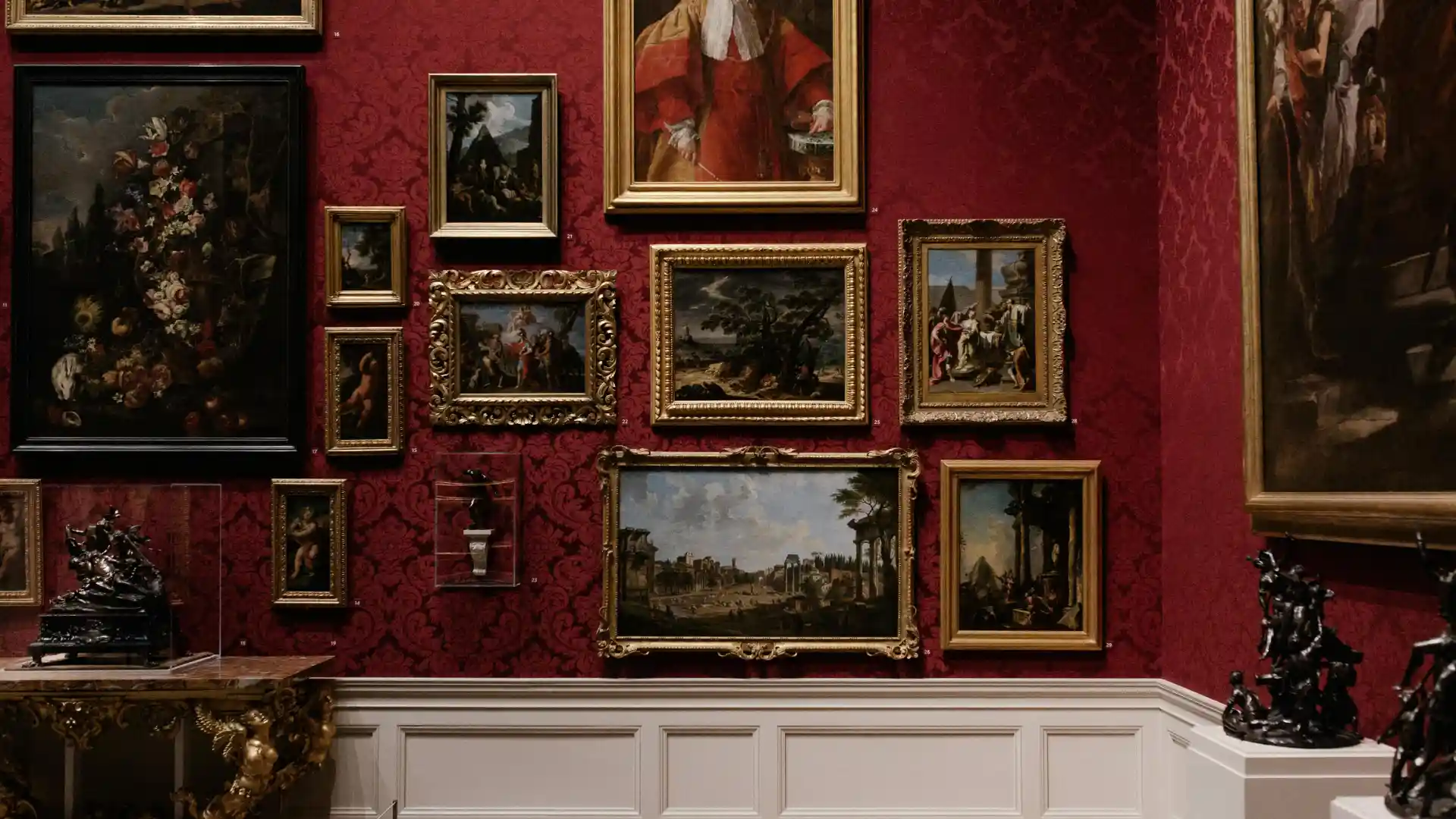
When students visit art museums or historical galleries, they are exposed to ideas and craftsmanship that open their minds. They might feel inspired to paint, write a story, build something, or invent an idea of their own.
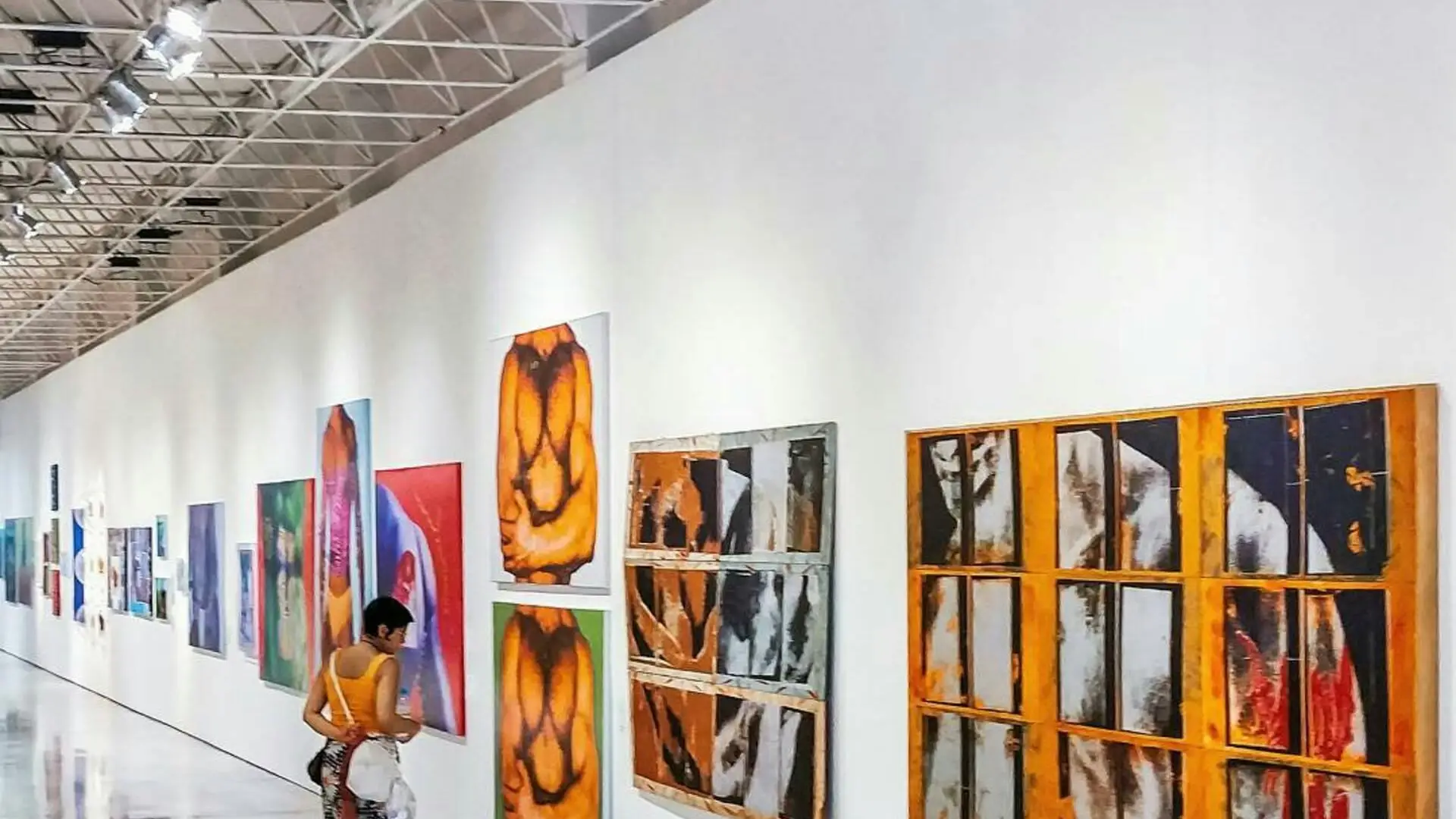
A great example is the Click Art Gallery in Udaipur, where interactive 3D artwork lets students pose creatively and learn about visual art in a fun and imaginative way. Experiences like these help children understand that creativity isn’t confined to paper, it’s something you can live and feel.
Learning Empathy and Emotional Awareness
Museums also touch the heart. They tell stories of courage, struggle, beauty, and loss all of which help students understand human emotions and values.
The Maharana Pratap Museum Udaipur is a perfect example. It tells the story of one of India’s greatest warriors, showcasing his armor, weapons, and life-sized depictions of historical events. When students walk through these exhibits, they don’t just learn history; they feel it. They understand what bravery, sacrifice, and patriotism mean on a deeper level.
This emotional connection is one of the reasons why should students visit museums. It helps them develop empathy and respect for the people and events that shaped our world.
Learning Through Visual and Hands-On Experiences
Museums make learning visual and interactive, which is another reason why should students visit museums. Not every student learns the same way. Some are visual learners, others learn by doing. Museums cater to both.
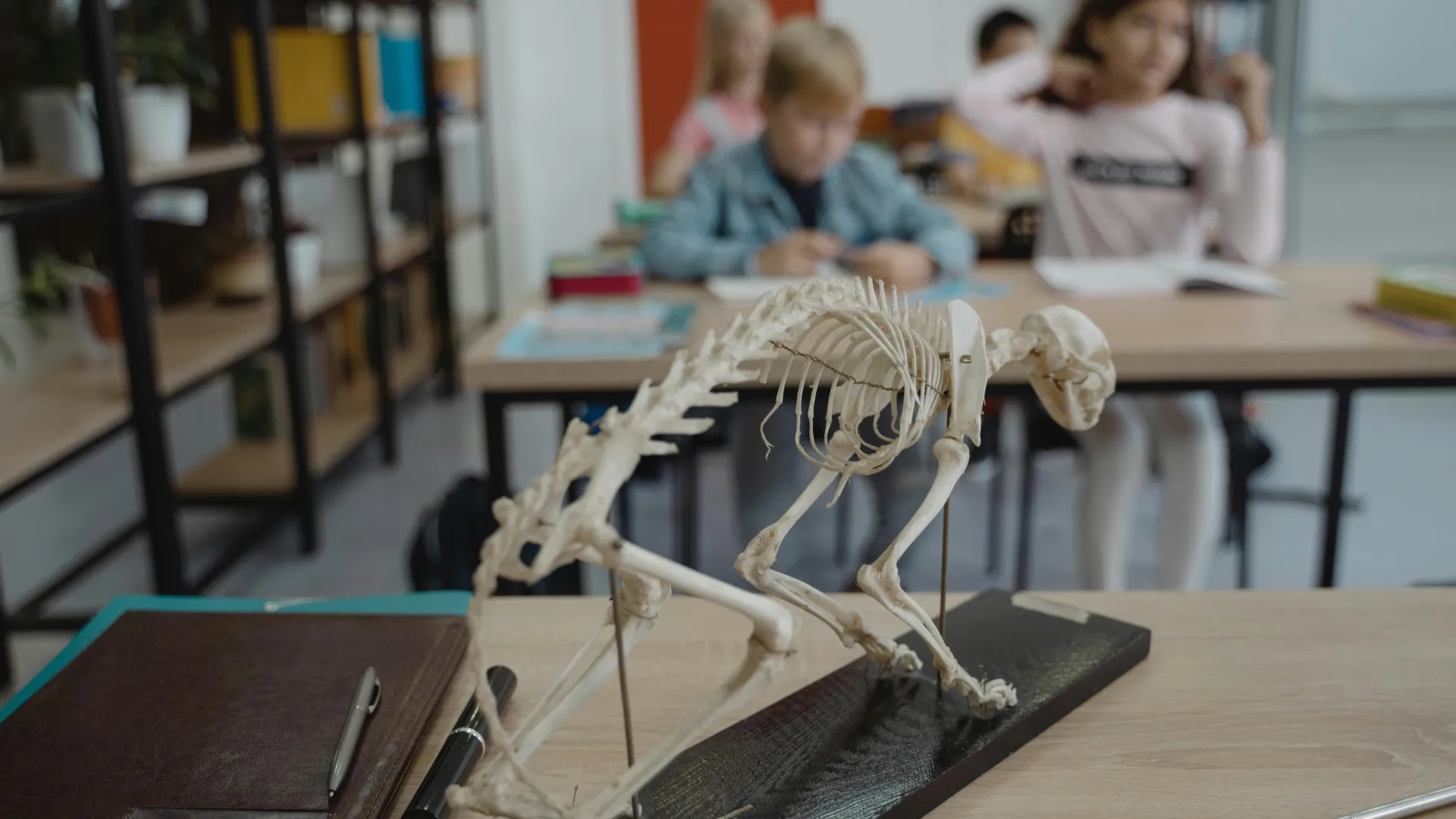
When students see actual fossils, ancient coins, or scientific models, the concepts they studied in books suddenly make sense. The experience of touching, seeing, and observing helps them remember information for years.
Modern museums like the Hall of Fame Icon Museum in Udaipur make this even more exciting. With digital exhibits and creative displays celebrating famous personalities, students learn while having fun. It’s education that doesn’t feel like studying, it feels like exploring.
Building Teamwork and Communication Skills
A museum visit is rarely a solo journey. School trips are group experiences where students learn to share ideas, discuss observations, and work together. This is another reason why should students visit museums.
During group visits, students learn how to communicate their thoughts clearly and listen to others’ perspectives. Teachers can encourage group discussions, creative writing tasks, or sketching exercises after the trip. These activities help students express what they learned and develop teamwork in the process.
Museums become places where learning and social interaction blend beautifully.
Exploring Career Paths and Interests
Museums can also inspire career dreams. When thinking about why should students visit museums, it’s worth noting that exposure to museums introduces young people to a wide range of fields from art and archaeology to conservation, design, and history.
A student visiting a science museum might discover an interest in engineering. Another exploring an art museum, may be drawn to curation or art restoration. Museums open doors to possibilities students might never have considered.
Even spaces like the Vogue Selfie Point in Udaipur, with its creative blend of art and design, can inspire students to think about careers in digital media, visual arts, or architecture.
Preserving National Pride and Identity
Museums are more than educational centers they are custodians of national pride. Another reason why should students visit museums is to help them understand and appreciate their country’s heritage.
When students visit places like the Museum of Mewar in Udaipur, they don’t just see objects from the past. They witness stories of courage, architecture, and innovation that shaped India’s cultural identity. These stories instill pride and a sense of responsibility in the younger generation.
Such experiences teach students that history is not just about the past, it’s a reminder of who we are and what we stand for.
Experiencing Art and Innovation Together
Today’s museums are not just about looking at exhibits behind glass. Many of them combine art, science, and technology to make learning exciting.
This evolution gives another answer to why should students visit museums. They get to experience how creativity and innovation come together.
In Udaipur, for example, wax museums have become a big attraction. Students can see life-sized sculptures like the Iron Man wax statue in Udaipur, the Shah Rukh Khan wax statue in Udaipur, and the wax statue of Virat Kohli in Udaipur. These displays are not just entertaining but also educational, showing the art of sculpture, design, and detailing up close.
By combining traditional craftsmanship with modern storytelling, museums today make learning both artistic and futuristic.
Appreciating Architecture and Design
Sometimes, the museum building itself is a work of art. That’s another reason why should students visit museums to admire architectural brilliance.
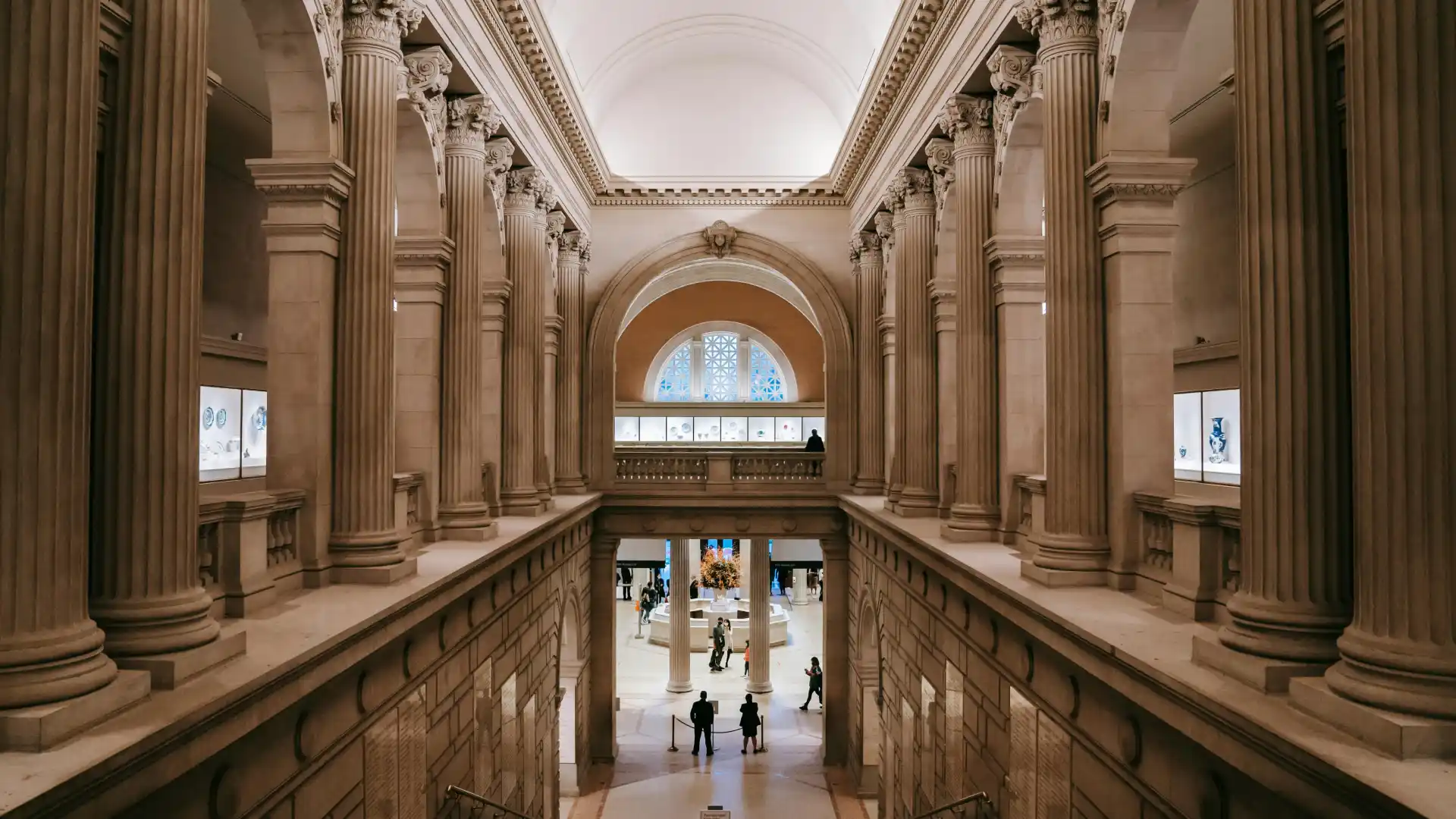
Take the Sheesh Mahal Udaipur, for instance. Its mirrored walls, royal arches, and exquisite craftsmanship are lessons in design and artistry. Visiting such spaces helps students appreciate how architecture can reflect culture and creativity.
For aspiring architects and artists, such experiences are deeply inspiring and educational.
Fostering Lifelong Learning
Museums have a special way of creating lifelong learners. Once a student experiences the joy of discovery in a museum, it often stays with them forever.
This is perhaps the most meaningful reason why should students visit museums. A single visit can awaken a passion for art, history, science, or storytelling. It teaches that learning is not limited to classrooms or exams, it’s a lifelong adventure.
A student who admires a painting today might grow up to become an artist. One who’s fascinated by fossils might pursue a career in archaeology. Museums ignite possibilities.
Udaipur: A City of Learning and Legacy
Udaipur is a perfect example of how museums nurture both tradition and innovation. The city is home to some of India’s most fascinating educational spaces.
The Museum of Mewar captures centuries of royal heritage, the Maharana Pratap Museum celebrates courage, and the Click Art Gallery and Vogue Selfie Point bring creativity into modern form. Each one offers a unique learning experience.
For students, these visits are not just fun but deeply enriching. They learn how art, history, and design come together to tell stories that matter.
Conclusion: Learning Beyond Walls
So, why should students visit museums? Because museums turn learning into an experience. They make history touchable, science exciting, and art inspiring. They teach curiosity, empathy, and pride.
Museums like the Museum of Mewar in Udaipur and the Hall of Fame Icon Museum prove that education can be joyful and deeply meaningful. When students explore these spaces, they’re not just learning facts, they’re connecting with humanity’s journey and discovering their own potential.
In a world full of screens, museums offer something rare and real. They remind us that learning is not about memorizing; it’s about experiencing. For students, a visit to a museum is more than an educational trip, it’s a memory that stays for life.
Take a virtual tour
FAQs
Why are museums important to students?
Museums are important to students because they make learning come alive beyond textbooks. By seeing real artifacts, artworks, and scientific exhibits, students understand history, culture, and innovation in a deeper way. Museums spark curiosity, creativity, and critical thinking, helping young minds connect classroom lessons to the real world. They also build respect for heritage and inspire students to explore new ideas, making education more engaging and meaningful.
What are the benefits of museums?
Museums offer countless benefits by preserving history, art, and culture while making learning interactive and enjoyable. They help people, especially students, connect with the past, understand creativity, and appreciate diversity. Visiting museums sparks curiosity, inspires imagination, and encourages critical thinking. They also support education through real-life examples and experiences, helping visitors see how knowledge, culture, and innovation shape the world we live in today.