
Author: Team MoM

  • Why Should Students Visit Museums?

    Why Should Students Visit Museums?

    Learning isn’t limited to textbooks or classrooms. Some of the most powerful lessons come from what we see, feel, and experience. That’s exactly why school trips to museums are so important. Museums bring knowledge to life, turning abstract lessons into something tangible and memorable.

    But why should students visit museums? Because museums are not just places with old things on display, they’re living classrooms full of stories, creativity, and discovery. Every artifact tells a tale, every exhibit sparks curiosity, and every visit leaves a lasting impression. Let’s explore the many reasons why should students visit museums​ and how these experiences shape their imagination, knowledge, and appreciation for the world.

    Museums as Living Classrooms

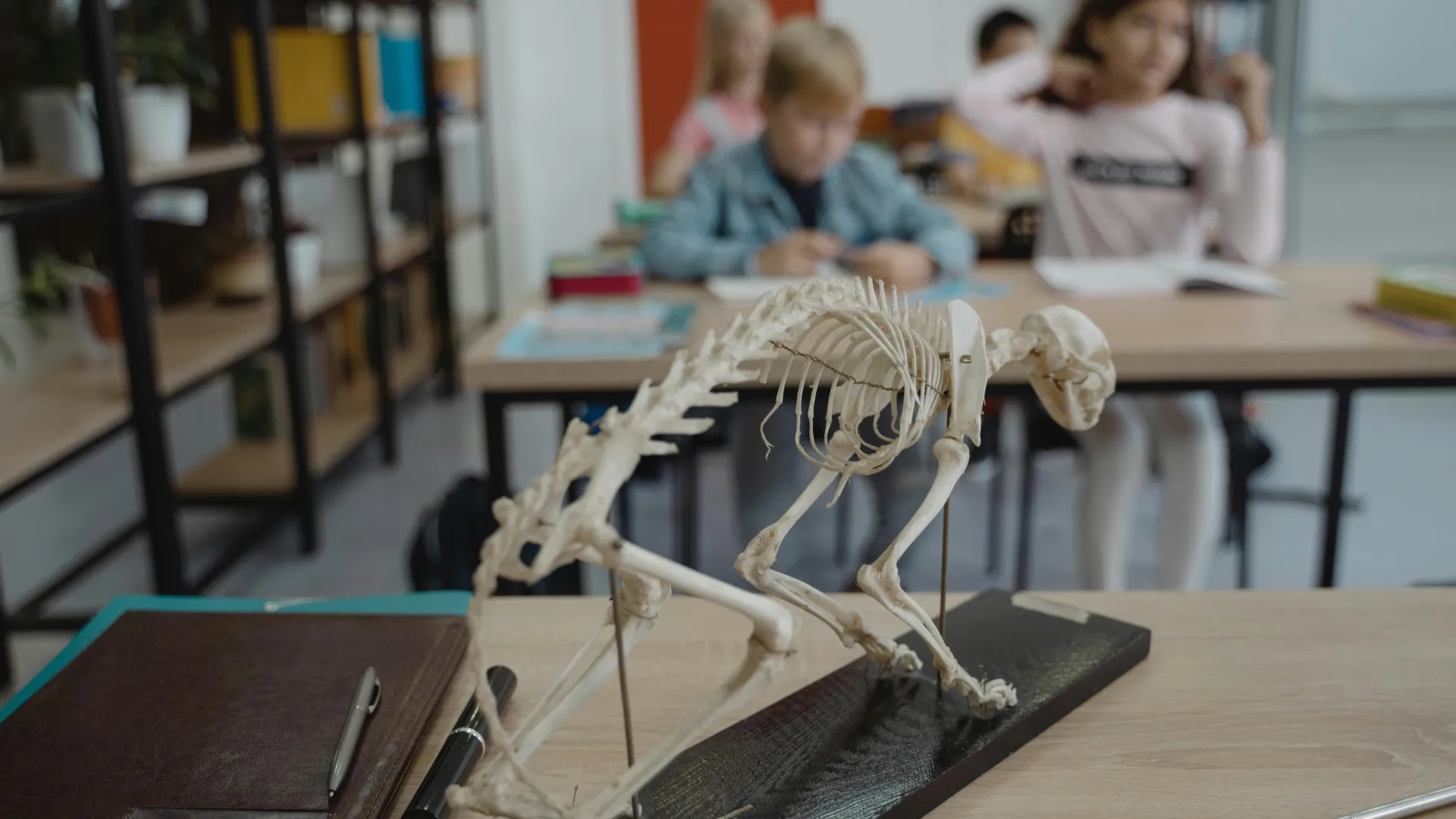
    One of the biggest reasons why should students visit museums​ is that they make learning come alive. Textbooks can only describe so much. But when students stand in front of a dinosaur fossil, an ancient sword, or a painting from centuries ago, they experience history and science in a whole new way.

    Museums transform education into an adventure. They allow students to connect theory with reality and feel a sense of wonder about what they learn.

    Take the Museum of Mewar in Udaipur, for example. It’s more than a building filled with royal treasures. It’s a journey through Rajasthan’s glorious past, where students can see weapons, paintings, and artifacts that belonged to the brave rulers of the Mewar dynasty. For young learners, such visuals make history real and unforgettable.

    Understanding History and Culture

    Another reason why should students visit museums​ is to help them understand their roots and appreciate different cultures. Museums preserve the art, traditions, and achievements of humankind. They are time machines that connect students to the past.

    When students walk through the Museum of Mewar in Udaipur, they don’t just see artifacts they witness the royal lifestyle, the intricate artistry, and the evolution of culture in Rajasthan. They learn about their heritage in a way that no classroom lecture could ever teach.

    This understanding helps them appreciate their culture and respect others. Museums remind students that every civilization, every community, and every artist has contributed to the world we live in today.

    Sparking Curiosity and Critical Thinking

    Curiosity is where all learning begins. One of the most exciting reasons why should students visit museums​ is that museums inspire children to ask questions. Every object on display makes them wonder who made it, how it was created, and what it meant in its time.

    This curiosity leads to exploration and critical thinking. Museums encourage students to observe details, interpret meanings, and find connections between subjects. Whether they’re studying a fossil, a sculpture, or an old manuscript, they learn to think analytically and creatively at the same time.

    Guided tours and interactive exhibits make this even more engaging. Students aren’t just looking; they’re exploring, learning, and understanding.

    Boosting Creativity and Imagination

    If there’s one place that can inspire a child to dream big, it’s a museum. That’s another reason why should students visit museums​, they fuel creativity and imagination.

    When students visit art museums or historical galleries, they are exposed to ideas and craftsmanship that open their minds. They might feel inspired to paint, write a story, build something, or invent an idea of their own.

    A great example is the Click Art Gallery in Udaipur, where interactive 3D artwork lets students pose creatively and learn about visual art in a fun and imaginative way. Experiences like these help children understand that creativity isn’t confined to paper, it’s something you can live and feel.

    Learning Empathy and Emotional Awareness

    Museums also touch the heart. They tell stories of courage, struggle, beauty, and loss all of which help students understand human emotions and values.

    The Maharana Pratap Museum Udaipur is a perfect example. It tells the story of one of India’s greatest warriors, showcasing his armor, weapons, and life-sized depictions of historical events. When students walk through these exhibits, they don’t just learn history; they feel it. They understand what bravery, sacrifice, and patriotism mean on a deeper level.

    This emotional connection is one of the reasons why should students visit museums​. It helps them develop empathy and respect for the people and events that shaped our world.

    Learning Through Visual and Hands-On Experiences

    Museums make learning visual and interactive, which is another reason why should students visit museums​. Not every student learns the same way. Some are visual learners, others learn by doing. Museums cater to both.

    When students see actual fossils, ancient coins, or scientific models, the concepts they studied in books suddenly make sense. The experience of touching, seeing, and observing helps them remember information for years.

    Modern museums like the Hall of Fame Icon Museum in Udaipur make this even more exciting. With digital exhibits and creative displays celebrating famous personalities, students learn while having fun. It’s education that doesn’t feel like studying, it feels like exploring.

    Building Teamwork and Communication Skills

    A museum visit is rarely a solo journey. School trips are group experiences where students learn to share ideas, discuss observations, and work together. This is another reason why should students visit museums​.

    During group visits, students learn how to communicate their thoughts clearly and listen to others’ perspectives. Teachers can encourage group discussions, creative writing tasks, or sketching exercises after the trip. These activities help students express what they learned and develop teamwork in the process.

    Museums become places where learning and social interaction blend beautifully.

    Exploring Career Paths and Interests

    Museums can also inspire career dreams. When thinking about why should students visit museums​, it’s worth noting that exposure to museums introduces young people to a wide range of fields from art and archaeology to conservation, design, and history.

    A student visiting a science museum might discover an interest in engineering. Another exploring an art museum, may be drawn to curation or art restoration. Museums open doors to possibilities students might never have considered.

    Even spaces like the Vogue Selfie Point in Udaipur, with its creative blend of art and design, can inspire students to think about careers in digital media, visual arts, or architecture.

    Preserving National Pride and Identity

    Museums are more than educational centers they are custodians of national pride. Another reason why should students visit museums​ is to help them understand and appreciate their country’s heritage.

    When students visit places like the Museum of Mewar in Udaipur, they don’t just see objects from the past. They witness stories of courage, architecture, and innovation that shaped India’s cultural identity. These stories instill pride and a sense of responsibility in the younger generation.

    Such experiences teach students that history is not just about the past, it’s a reminder of who we are and what we stand for.

    Experiencing Art and Innovation Together

    Today’s museums are not just about looking at exhibits behind glass. Many of them combine art, science, and technology to make learning exciting.

    This evolution gives another answer to why should students visit museums​. They get to experience how creativity and innovation come together.

    In Udaipur, for example, wax museums have become a big attraction. Students can see life-sized sculptures like the Iron Man wax statue in Udaipur, the Shah Rukh Khan wax statue in Udaipur, and the wax statue of Virat Kohli in Udaipur. These displays are not just entertaining but also educational, showing the art of sculpture, design, and detailing up close.

    By combining traditional craftsmanship with modern storytelling, museums today make learning both artistic and futuristic.

    Appreciating Architecture and Design

    Sometimes, the museum building itself is a work of art. That’s another reason why should students visit museums​ to admire architectural brilliance.

    Take the Sheesh Mahal Udaipur, for instance. Its mirrored walls, royal arches, and exquisite craftsmanship are lessons in design and artistry. Visiting such spaces helps students appreciate how architecture can reflect culture and creativity.

    For aspiring architects and artists, such experiences are deeply inspiring and educational.

    Fostering Lifelong Learning

    Museums have a special way of creating lifelong learners. Once a student experiences the joy of discovery in a museum, it often stays with them forever.

    This is perhaps the most meaningful reason why should students visit museums​. A single visit can awaken a passion for art, history, science, or storytelling. It teaches that learning is not limited to classrooms or exams, it’s a lifelong adventure.

    A student who admires a painting today might grow up to become an artist. One who’s fascinated by fossils might pursue a career in archaeology. Museums ignite possibilities.

    Udaipur: A City of Learning and Legacy

    Udaipur is a perfect example of how museums nurture both tradition and innovation. The city is home to some of India’s most fascinating educational spaces.

    The Museum of Mewar captures centuries of royal heritage, the Maharana Pratap Museum celebrates courage, and the Click Art Gallery and Vogue Selfie Point bring creativity into modern form. Each one offers a unique learning experience.

    For students, these visits are not just fun but deeply enriching. They learn how art, history, and design come together to tell stories that matter.

    Conclusion: Learning Beyond Walls

    So, why should students visit museums? Because museums turn learning into an experience. They make history touchable, science exciting, and art inspiring. They teach curiosity, empathy, and pride.

    Museums like the Museum of Mewar in Udaipur and the Hall of Fame Icon Museum prove that education can be joyful and deeply meaningful. When students explore these spaces, they’re not just learning facts, they’re connecting with humanity’s journey and discovering their own potential.

    In a world full of screens, museums offer something rare and real. They remind us that learning is not about memorizing; it’s about experiencing. For students, a visit to a museum is more than an educational trip, it’s a memory that stays for life.

    FAQs

    Why are museums important to students?

    Museums are important to students because they make learning come alive beyond textbooks. By seeing real artifacts, artworks, and scientific exhibits, students understand history, culture, and innovation in a deeper way. Museums spark curiosity, creativity, and critical thinking, helping young minds connect classroom lessons to the real world. They also build respect for heritage and inspire students to explore new ideas, making education more engaging and meaningful.

    What are the benefits of museums?

    Museums offer countless benefits by preserving history, art, and culture while making learning interactive and enjoyable. They help people, especially students, connect with the past, understand creativity, and appreciate diversity. Visiting museums sparks curiosity, inspires imagination, and encourages critical thinking. They also support education through real-life examples and experiences, helping visitors see how knowledge, culture, and innovation shape the world we live in today.
  • What Is the Difference Between Art Gallery and Museum?

    What Is the Difference Between Art Gallery and Museum?

    Art and history are the heartbeats of human expression. They connect us to the world’s creativity, imagination, and memories. Yet, people often confuse the spaces that showcase them. Many wonder: what is the difference between art gallery and museum?

    At first glance, both might seem similar, filled with beautiful paintings, sculptures, and historical artifacts. But their purpose and essence are quite different. Understanding how art galleries and museums function helps us see how they each play a unique role in shaping culture and preserving heritage.

    Let’s explore in depth what is the difference between art gallery and museum, how they complement one another, and why both remain vital to our world of creativity and knowledge.

    Introduction: Art and History Under One Roof

    Both art galleries and museums celebrate creativity, but they do it in different ways. While museums let us step back into the past, galleries invite us to experience the present.

    So, what is the difference between art gallery and museum? In the simplest sense, a museum preserves and displays historical, cultural, and scientific artifacts. An art gallery, on the other hand, focuses on showcasing and often selling modern works of art created by living artists.

    A museum preserves memories, while a gallery inspires new ideas. Both are beautiful, both are essential.

    Understanding What an Art Gallery Is

    To really understand what is the difference between art gallery and museum, we first need to know what defines an art gallery.

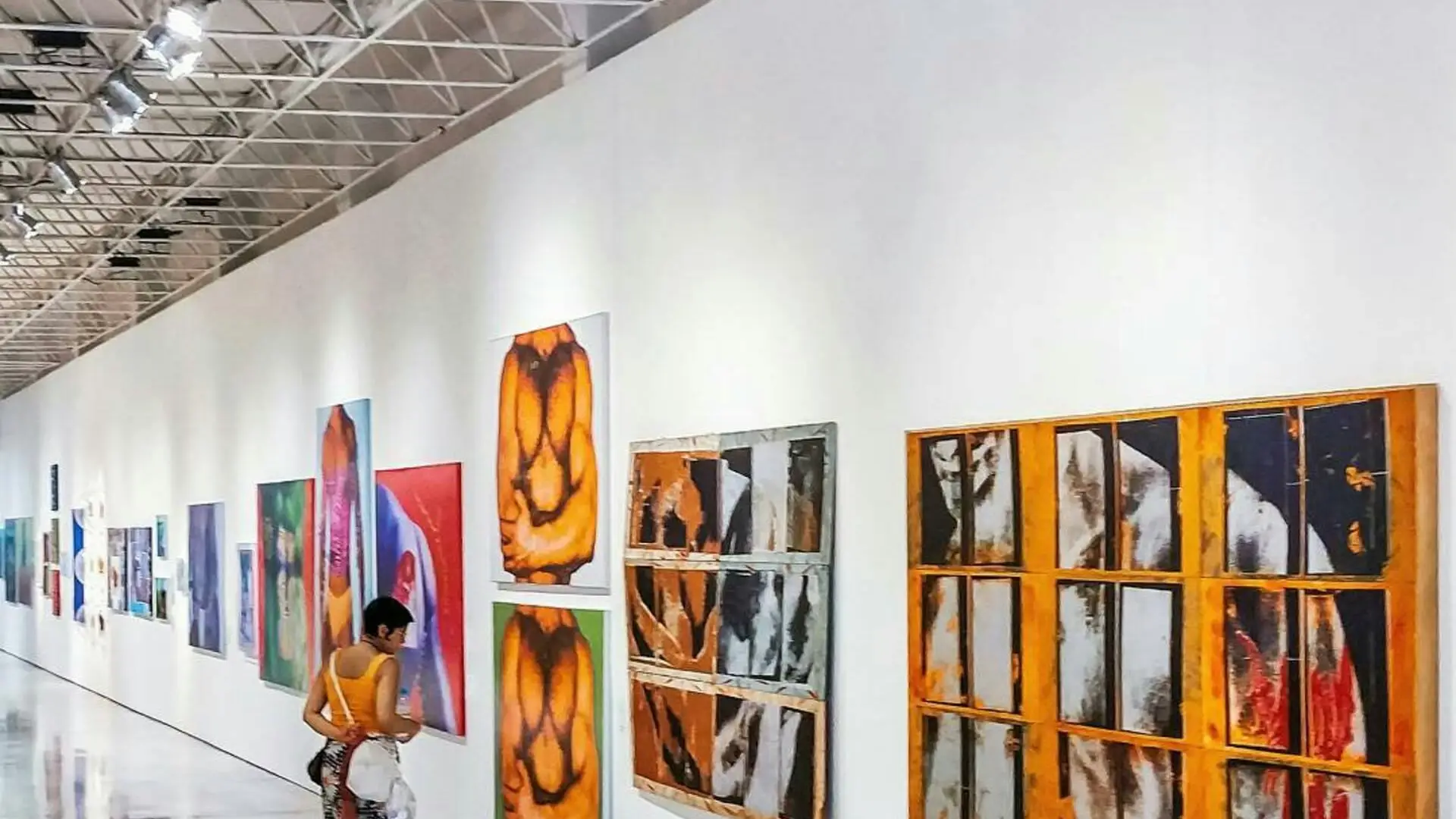
    An art gallery is a creative space where artists exhibit their work. These include paintings, sculptures, photographs, installations, and digital art. Galleries are usually commercial spaces, which means many of the artworks on display are for sale.

    They act as bridges between artists and the public, helping creators gain recognition while giving art lovers a chance to collect or admire new works.

    Art galleries often feature temporary or rotating exhibitions, allowing visitors to experience something new with every visit. Some galleries focus on emerging artists, while others showcase established names.

    In Udaipur, for example, the Click Art Gallery in Udaipur is a fun and interactive place where visitors can enjoy 3D and illusion art. It combines creativity with playfulness, showing that galleries today can be both entertaining and inspiring.

    In short, galleries are living, breathing spaces where art meets emotion and imagination comes to life.

    Understanding What a Museum Is

    Next, let’s look at the museum side of what is the difference between art gallery and museum.

    A museum is an institution devoted to collecting, preserving, researching, and displaying objects of historical, cultural, or scientific importance. Unlike galleries, museums are usually non-profit organizations that aim to educate rather than sell.

    Museums give us a chance to connect with the past. They display artifacts from ancient civilizations, royal families, artists, and explorers. Every exhibit tells a story, every piece carries a piece of history.

    One wonderful example is the Museum of Mewar in Udaipur. Located inside the City Palace, it beautifully preserves the royal heritage of the Mewar dynasty. From royal armor and miniature paintings to ancient manuscripts, every exhibit showcases Rajasthan’s glorious past.

    So when you think about what is the difference between art gallery and museum, remember this: a museum protects what was, while a gallery promotes what is.

    Key Differences Between an Art Gallery and a Museum

    Let’s break down what is the difference between art gallery and museum in simple terms:

    AspectArt GalleryMuseum
    PurposeDisplays and sells artworksPreserves and educates about history and culture
    OwnershipUsually private or commercialOften government-run or nonprofit
    CollectionsModern and contemporary artHistorical, cultural, or scientific artifacts
    ExhibitionsRegularly changingMostly permanent or long-term
    RevenueEarns through art sales and commissionsSupported by donations, tickets, and grants
    ExperienceImmersive and aestheticInformative and educational
    GoalPromote artists and creativityPreserve heritage and knowledge

    Essentially, galleries focus on living art, while museums are guardians of the past.

    The Role of Art Galleries in Today’s World

    When we ask what is the difference between art gallery and museum, art galleries stand out as spaces of innovation and freedom.

    They are platforms for artists to express ideas, challenge norms, and communicate emotions. Whether through abstract painting or digital installation, galleries bring creativity closer to everyday life.

    They are also vital for the economy of art. Many artists depend on galleries for exposure and sales. Through exhibitions, auctions, and collaborations, these spaces keep art alive and evolving.

    In cities like Mumbai, Delhi, and Udaipur, galleries host events that attract collectors, critics, and art enthusiasts. They create dialogue, inspire curiosity, and help people experience beauty in new forms.

    The Role of Museums in Preserving Heritage

    Museums, on the other hand, hold the key to our collective memory. Understanding what is the difference between art gallery and museum means recognizing that museums protect the stories that define us.

    They house ancient relics, manuscripts, fossils, weapons, and royal possessions. Each object is a chapter of human history.

    Take Rajasthan, for instance. The Maharana Pratap Museum Udaipur honors one of India’s greatest warriors, showcasing his weapons, life scenes, and artifacts that capture the spirit of valor. The Hall of Fame Icon Museum in Udaipur celebrates legendary figures who have made India proud, reminding visitors of courage, leadership, and national pride.

    These museums don’t just display artifacts. They make history come alive, allowing us to walk through centuries within a few hours.

    How Art Galleries and Museums Work Together

    Even though we often compare them, art galleries and museums are deeply connected. To fully grasp what is the difference between art gallery and museum, it helps to see them as two sides of the same cultural coin.

    Museums preserve heritage, while galleries inspire future creativity. Together, they ensure that art remains timeless.

    An art gallery may display a contemporary artist’s interpretation of traditional motifs once seen in museums. Likewise, museums often collaborate with galleries to host special exhibitions that merge modern and classical art.

    This relationship creates a continuous dialogue between history and imagination one where the past inspires the future.

    Famous Art Galleries and Museums Across India

    India’s love for art and culture can be seen in its world-class galleries and museums. To understand what is the difference between art gallery and museum, let’s look at a few iconic examples.

    Art Galleries

    • National Gallery of Modern Art, New Delhi: Home to India’s finest collection of modern and contemporary art.
    • Jehangir Art Gallery, Mumbai: A landmark in Indian art, supporting both emerging and established artists.
    • Click Art Gallery in Udaipur: A fun and interactive 3D gallery where visitors can pose with artworks for creative photos.

    Museums

    • Indian Museum, Kolkata: The oldest and largest museum in India, famous for its archaeological and natural history collections.
    • Museum of Mewar in Udaipur: Showcases royal artifacts, traditional costumes, and historical weapons of the Mewar dynasty.
    • Sheesh Mahal Udaipur: A dazzling museum within the palace known for its intricate mirror work and regal interiors.
    • Vogue Selfie Point in Udaipur: A creative attraction that blends art, design, and photography into one artistic experience.

    These examples show how both museums and galleries bring art to life in different ways one by preserving the past, the other by nurturing the present.

    The Rise of Interactive Museums and Art Spaces

    Over the years, both galleries and museums have transformed. They are no longer quiet, static spaces but dynamic, interactive experiences.

    Wax museums, for example, have become popular destinations where creativity meets realism. Visitors can admire lifelike sculptures like the Iron Man wax statue in Udaipur, the Shah Rukh Khan Wax Statue in Udaipur, and the wax statue of Virat Kohli in Udaipur all crafted with stunning detail.

    These attractions blur the line between art and entertainment. They prove that the essence of what is the difference between art gallery and museum is evolving. Today, visitors don’t just observe art; they become part of it.

    Conclusion: Two Different Paths to the Same Goal

    So, what is the difference between art gallery and museum? It lies in their purpose.

    A gallery is about expression. It celebrates creativity, showcases modern talent, and keeps the spirit of art alive through change and experimentation. A museum is about preservation. It protects history, educates visitors, and keeps traditions from fading away.

    Yet, both have the same heart to inspire, to teach, and to keep beauty alive.

    When you walk through the Museum of Mewar in Udaipur, you feel the pride of Rajasthan’s royal history. When you explore the Click Art Gallery in Udaipur, you feel the joy of modern imagination. From the shimmering Sheesh Mahal to the patriotic Hall of Fame Icon Museum, every space in India tells a story worth hearing.

    In the end, art galleries and museums don’t compete with each other they complete each other. One keeps memories safe, while the other creates new ones. And together, they remind us that art, in all its forms, is what keeps humanity timeless.

    FAQs

    What is a gallery and museum?

    A gallery is a space where artists display and often sell their artworks, such as paintings, sculptures, and photographs, showcasing creativity and modern expression. A museum, on the other hand, preserves and exhibits historical artifacts, art, and cultural treasures for education and heritage. The Museum of Mewar in Udaipur is a wonderful example, beautifully preserving royal weapons, paintings, and artifacts that tell the story of Rajasthan’s rich legacy.

    What is an art gallery?

    An art gallery is a creative space where artists showcase their paintings, sculptures, and visual works for the public to appreciate or purchase. It’s a place that celebrates imagination, innovation, and artistic expression. While galleries focus on contemporary art, a museum preserves history and culture. The Museum of Mewar in Udaipur beautifully complements this, showcasing royal artifacts, paintings, and weapons that reflect Rajasthan’s grand heritage and artistry.

  • Where Is the Largest Museum in India Located?

    Where Is the Largest Museum in India Located?

    India is a country that breathes history. Every fort, sculpture, and painting has a story to tell. Across its length and breadth, countless museums preserve these stories, giving us a window into our past. But among all these treasures, one question often comes up: where is the largest museum in India located?

    The answer takes us to the city of Kolkata, the cultural capital of India. Home to the magnificent Indian Museum, Kolkata holds the distinction of housing not only the largest museum in the country but also one of the oldest in the world. Founded in 1814, the Indian Museum is a treasure chest of art, culture, science, and history. From ancient sculptures and coins to an Egyptian mummy, it offers an unforgettable glimpse into India’s journey through time.

    Let’s explore what makes this grand museum so special, along with a few others like the Museum of Mewar in Udaipur, which continues to uphold India’s royal legacy.

    Introduction: The Beauty of India’s Museums

    India is home to hundreds of museums, each reflecting a different aspect of its heritage. These museums are more than just collections of artifacts; they are storytellers that connect us to our roots. They remind us of the kings and queens who ruled, the artists who created, and the civilizations that thrived long before us.

    So, where is the largest museum in India located? The answer is in Kolkata, a city known for its deep cultural roots, art, and literature. The Indian Museum stands as a symbol of India’s intellectual and historical pride, inviting visitors to walk through centuries of creativity and discovery.

    The Largest Museum in India – The Indian Museum, Kolkata

    When people ask where is the largest museum in India located, the answer surprises many. It isn’t in Delhi or Mumbai but in the heart of Kolkata, West Bengal.

    The Indian Museum was founded in 1814 by Dr. Nathaniel Wallich, a Danish botanist and a member of the Asiatic Society of Bengal. It is the oldest and largest museum in India and the entire Asia-Pacific region.

    The museum is divided into six main sections: Art, Archaeology, Anthropology, Geology, Zoology, and Economic Botany. Each section is filled with exhibits that celebrate human progress and nature’s beauty. With its massive size and rich diversity, the Indian Museum has earned its title as the answer to where is the largest museum in India located.

    The Fascinating History of the Indian Museum

    To understand where is the largest museum in India located, we need to travel back in time. The Indian Museum’s story began during the British colonial period when the Asiatic Society of Bengal sought to study and preserve India’s ancient culture.

    Under Dr. Wallich’s vision, the museum was established in 1814 to house a growing collection of artifacts and natural specimens. What began as a small effort soon transformed into a massive institution of knowledge.

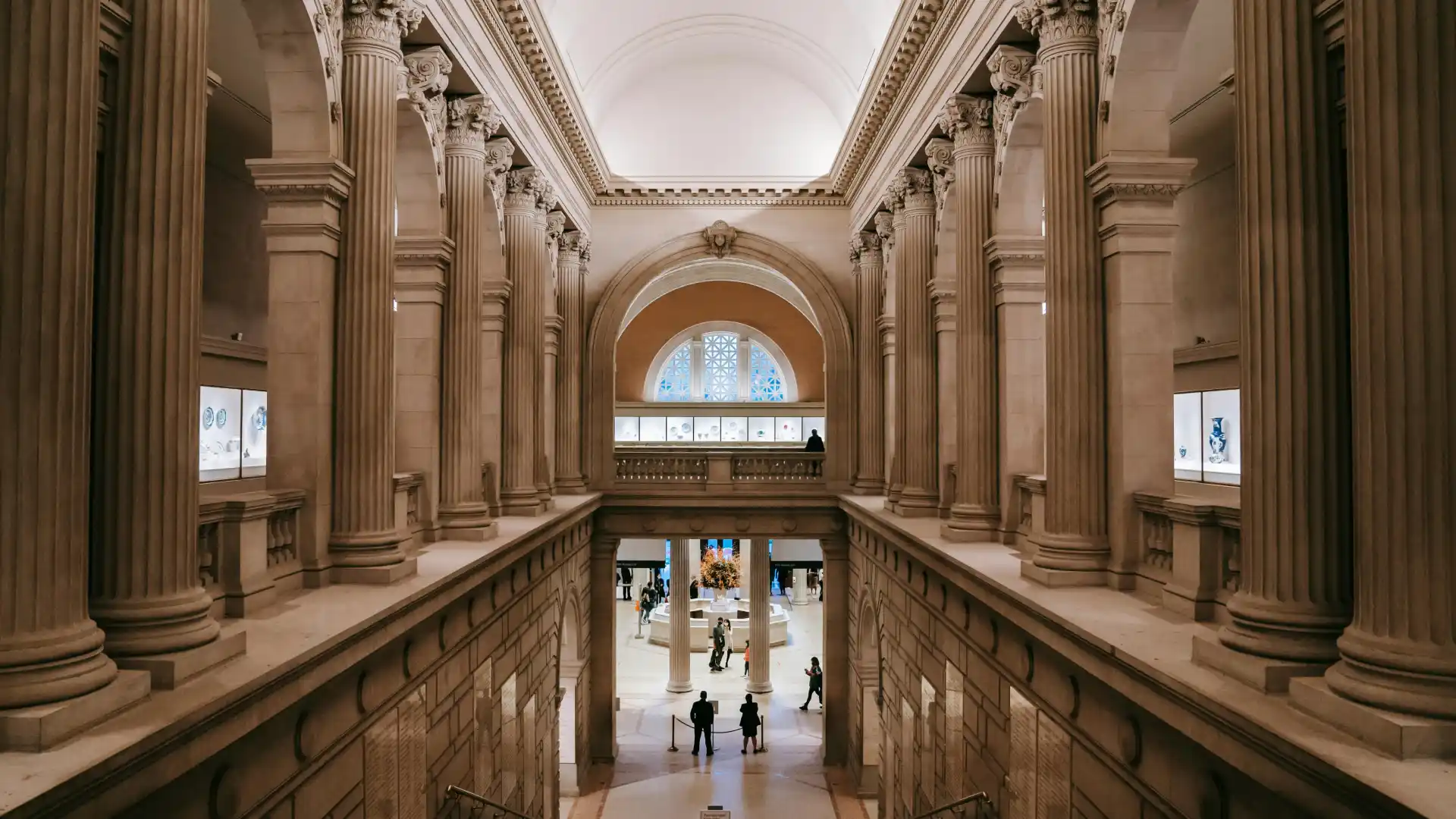
    In 1875, the museum was moved to its current building on Jawaharlal Nehru Road, a grand structure designed in the neoclassical style. The architecture, with its tall arches, massive columns, and elegant corridors, gives the museum a regal appearance that mirrors the richness of the treasures it holds inside.

    Architecture and Layout

    The grandeur of the Indian Museum makes it easy to see why it answers the question where is the largest museum in India located. Spread across 93,000 square meters and housing 60 galleries, the museum’s size alone is enough to leave visitors in awe.

    Its design beautifully combines British colonial and classical architecture. Wide verandas, intricate pillars, and spacious halls make it both functional and visually stunning. Sunlight streams through large windows, highlighting ancient carvings, sculptures, and manuscripts.

    The flow of the galleries is carefully planned so visitors can walk through India’s history in a seamless journey from prehistoric times to the modern age.

    Treasures Inside the Indian Museum

    If you are wondering where is the largest museum in India located and what it contains, the answer is simple: it holds almost everything you can imagine. The collections here are vast and breathtaking.

    Ancient Art and Sculpture

    The museum features incredible stone sculptures from the Mauryan, Gupta, and Pala dynasties. The sandstone figure of the Buddha from Sarnath and the beautiful Yakshi from Bharhut are among the most iconic pieces.

    The Egyptian Mummy

    A highlight for many visitors is the 4,000-year-old Egyptian mummy. Wrapped in ancient linen, it draws crowds daily, offering a mysterious glimpse into Egypt’s ancient burial practices.

    Buddhist Relics

    The museum also preserves sacred relics from important Buddhist sites like Sanchi, Amaravati, and Bodhgaya, making it a spiritual experience for many visitors.

    Coins, Manuscripts, and Paintings

    Rare Mughal miniature paintings, ancient manuscripts, and historical coins reflect the evolution of art, language, and trade in India.

    Natural History and Geology

    The museum’s natural history section houses fossils, gemstones, taxidermied animals, and even prehistoric skeletons that fascinate scientists and children alike.

    Each gallery tells a story. Together, they make the Indian Museum not just the answer to where is the largest museum in India located, but also a symbol of India’s living heritage.

    Location and Accessibility

    Now that we know where is the largest museum in India located, let’s talk about how to get there.

    The Indian Museum is situated at 27 Jawaharlal Nehru Road, Kolkata, West Bengal. It is located right in the heart of the city and is easy to reach by air, rail, or metro.

    • By Air: The nearest airport is Netaji Subhas Chandra Bose International Airport, around 17 km away.
    • By Train: Howrah Junction and Sealdah Railway Station connect Kolkata to major Indian cities.
    • By Metro: The closest metro station is Park Street, just a short walk from the museum.

    The museum is open from 10 AM to 5 PM every day except Mondays and national holidays. The best time to visit is between October and March, when Kolkata’s weather is pleasant and festive.

    Other Prominent Museums in India

    While Kolkata has the honor of being the answer to where is the largest museum in India located, there are many other museums across the country that are equally fascinating.

    National Museum, New Delhi

    Located in the capital, it features artifacts from the Indus Valley Civilization, Buddhist relics, and modern Indian art.

    Government Museum, Chennai

    One of the oldest museums in South India, it is known for its bronze idols, ancient coins, and Dravidian sculptures.

    Chhatrapati Shivaji Maharaj Vastu Sangrahalaya, Mumbai

    This museum, set in a stunning Indo-Saracenic building, houses art and artifacts from around the world.

    Museum of Mewar, Udaipur

    The Museum of Mewar inside the City Palace beautifully narrates the story of the Mewar dynasty. It displays royal weapons, miniature paintings, ancient manuscripts, and regal attire that reflect Rajasthan’s royal heritage. Visitors often pair their visit with the nearby Sheesh Mahal Udaipur, famous for its dazzling mirror work that glitters like a palace made of stars.

    You can also experience the creative side of the city at the vogue selfie point in Udaipur, a modern photo attraction where art meets innovation.

    The Wax and Cultural Museums of Udaipur

    While Kolkata has the largest museum in India, Udaipur has carved a niche for itself as the cultural capital of Rajasthan.

    The Maharana Pratap Museum Udaipur is one of the most inspiring places to visit. It celebrates the life of the legendary warrior Maharana Pratap through weapons, historical displays, and artistic recreations of his battles.

    The city also boasts fascinating wax museums featuring lifelike figures of famous personalities such as the Iron Man Wax Statue in Udaipur, the Shah Rukh Khan wax statue in Udaipur, and the wax statue of Virat Kohli in Udaipur. These museums blend entertainment with artistry, offering visitors something both fun and educational.

    Why Museums Are Important for India’s Heritage

    Knowing where is the largest museum in India located is one thing, but understanding why museums matter is even more important.

    Museums protect our past and help us make sense of who we are. They educate, inspire curiosity, and create a sense of connection between generations. They are classrooms of culture, open to everyone.

    Institutions like the Indian Museum in Kolkata and the Museum of Mewar in Udaipur prove that history isn’t just written in books; it lives in the objects, stories, and emotions preserved inside these walls.

    Conclusion

    So, where is the largest museum in India located? The answer is in Kolkata, where the Indian Museum stands as a timeless guardian of India’s past.

    It isn’t just a building filled with artifacts. It is a living journey through thousands of years of art, science, and human imagination. From the serene face of the Sarnath Buddha to the mysterious Egyptian mummy, every corner of the museum whispers stories of greatness and discovery.

    Yet, the beauty of India lies in its diversity. As much as Kolkata’s Indian Museum represents the nation’s intellectual spirit, places like Udaipur showcase its royal elegance. The Museum of Mewar, the Maharana Pratap Museum, and even artistic spots like the Vogue Selfie Point in Udaipur remind us that India’s heritage isn’t confined to the past, it continues to evolve beautifully in the present.

    Whether you’re walking through the vast halls of the Indian Museum or admiring the mirror-lit walls of Sheesh Mahal Udaipur, you’re not just seeing history; you’re living it.

    So the next time you wonder where is the largest museum in India located, remember that it’s not just in Kolkata it’s in the heart of every Indian who cherishes art, history, and the beauty of our collective story.

    FAQs

    Which is the largest museum in India located?

    The largest museum in India is the Indian Museum located in Kolkata, established in 1814. It is the country’s oldest and most extensive museum, showcasing art, archaeology, fossils, and even an Egyptian mummy. It beautifully captures India’s cultural and historical journey. Similarly, the Museum of Mewar in Udaipur preserves Rajasthan’s royal heritage, displaying ancient weapons, paintings, and regal artifacts within the majestic City Palace complex.

    Where is the world’s biggest museum located?

    The world’s biggest museum is the Louvre Museum located in Paris, France. Renowned for its grand architecture and masterpieces like the Mona Lisa and Venus de Milo, it attracts millions of visitors every year. Just as the Louvre preserves global art, the Museum of Mewar in Udaipur beautifully safeguards Rajasthan’s royal heritage, showcasing the legacy of the Mewar dynasty through ancient weapons, paintings, and royal artifacts inside the City Palace.

    Which is India’s first museum?

    India’s first museum is the Indian Museum in Kolkata, founded in 1814 by Dr. Nathaniel Wallich, a Danish botanist. It is not only the oldest museum in India but also one of the earliest in Asia. The museum houses an extraordinary collection of artifacts, fossils, sculptures, and ancient manuscripts. Alongside it, the Museum of Mewar in Udaipur also stands out for preserving Rajasthan’s royal history and cultural legacy with great pride.