
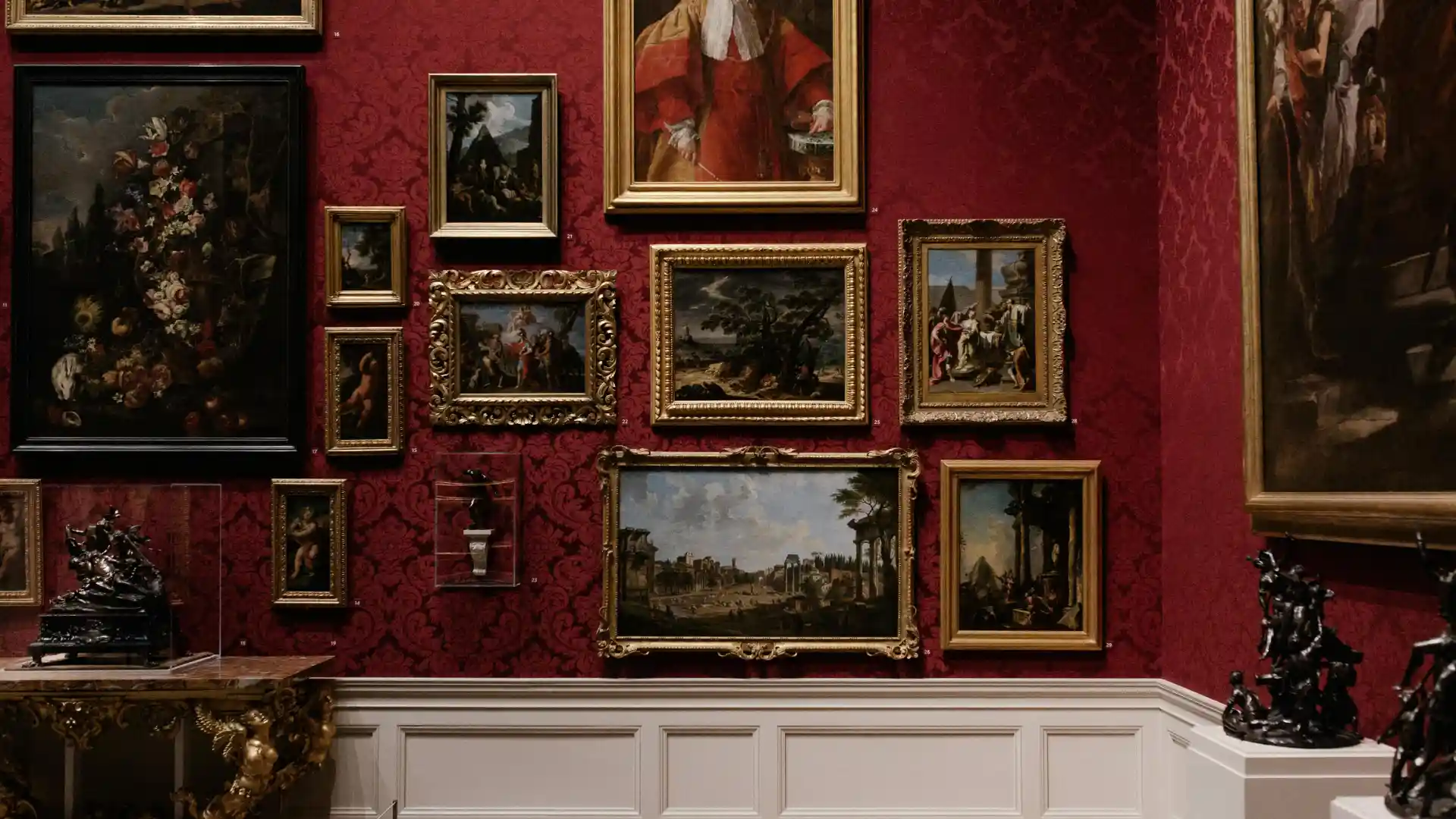
If you’ve ever stood inside a museum surrounded by centuries of art, history, and human imagination you know that feeling of awe it brings. Every painting, sculpture, or artifact tells a story. But have you ever wondered which is the biggest museum in the world?
The world is filled with incredible museums, but one stands above them all The Louvre Museum in Paris. Not just for its massive size, but for the sheer beauty, depth, and cultural importance it holds. Let’s take a walk through the world of museums, discover what makes the Louvre so special, and explore a few others that come close to sharing its glory.
Why the World Loves Its Museums
Museums are like time machines they let us travel through centuries without ever leaving the building. Whether it’s an ancient Egyptian statue or a Renaissance painting, museums connect us to moments that shaped humanity.
So when people ask which is the biggest museum in the world, it’s not just about the square footage or the number of artworks. It’s about which museum truly represents the grandest collection of human creativity, knowledge, and history.
And that honor, beyond debate, goes to The Louvre Museum a place that’s as iconic as the Eiffel Tower and as timeless as the art it houses.
The Louvre Museum – The World’s Largest and Most Visited
To put it simply, The Louvre Museum in Paris is the answer to the question: which is the biggest museum in the world.
Located on the banks of the Seine River, this breathtaking museum covers more than 72,000 square meters of exhibition space. It holds over 380,000 objects, and around 35,000 of them are displayed to the public at any given time.
Once a royal palace, the Louvre is now a masterpiece in itself. From the stunning glass pyramid entrance designed by I.M. Pei to its majestic courtyards and endless galleries, it’s a living celebration of human artistry.
It’s also home to some of the most famous works of art in existence Leonardo da Vinci’s Mona Lisa, Venus de Milo, and The Winged Victory of Samothrace, to name a few. Every year, over 9 million visitors walk through its halls, making it the most visited museum on the planet.
A Royal Beginning: The Louvre’s Journey Through Time
The story of which is the biggest museum in the world begins in medieval Paris. The Louvre started out not as a museum, but as a fortress built by King Philip II in the 12th century. Over time, it became a royal residence for French monarchs.
When King Louis XIV moved his court to Versailles, the Louvre’s royal days ended but a new era began. During the French Revolution in 1793, the palace was officially opened as a public museum, showcasing the nation’s treasures for everyone to see.
Centuries later, the Louvre evolved into a global cultural landmark. The addition of the glass pyramid in 1989 gave it a modern identity while honoring its classical roots. That delicate balance between past and present is one reason the Louvre continues to fascinate visitors from around the world.
A Treasure Trove of Human Creativity
When you ask which is the biggest museum in the world, it’s not just about how big the building is, it’s about the treasures inside it.
The Louvre’s vast collection spans nearly every civilization and artistic period known to humankind. Here’s a glimpse of its mesmerizing range:
- Egyptian Antiquities: From mummies to golden sarcophagi, the exhibit captures 4,000 years of Egyptian civilization.
- Greek, Etruscan, and Roman Antiquities: This section includes world-renowned masterpieces like the Venus de Milo and Winged Victory of Samothrace.
- Islamic Art: Intricate designs, ceramics, and manuscripts showcasing centuries of Islamic craftsmanship.
- Sculptures and Decorative Arts: Royal furniture, jewelry, and marble sculptures that define elegance.
- Paintings: Over 7,500 paintings, featuring legendary artists like Leonardo da Vinci, Delacroix, and Raphael.
- Prints and Drawings: Rare sketches and illustrations that reveal the minds behind history’s greatest masterpieces.
To truly appreciate the Louvre’s scale, consider this: if you spent just 30 seconds looking at each exhibit, it would take you more than 100 days to see everything and that’s only during museum hours!
Other Great Museums Around the World
While the Louvre reigns supreme, there are other extraordinary museums that give it good company. Exploring them helps you understand why which is the biggest museum in the world is such a fascinating topic.
The State Hermitage Museum – Russia
Located in St. Petersburg, this museum was founded in 1764 by Catherine the Great. With over 3 million exhibits, it’s a monumental collection of European art, sculptures, and ancient relics. However, only a small fraction is ever displayed due to its vast size.
The Metropolitan Museum of Art – New York
Known simply as “The Met,” it’s the pride of New York City. With over two million works, it houses everything from ancient Egyptian artifacts to contemporary masterpieces. It’s one of the largest museums in the Western Hemisphere, though still smaller than the Louvre.
Vatican Museums – Vatican City
These are home to some of the world’s most spiritually significant art pieces, including Michelangelo’s frescoes in the Sistine Chapel. The Vatican Museums are treasures of faith and artistry combined.
The British Museum – London
Founded in 1753, it’s one of the oldest museums in the world. Its collection of ancient civilizations, including the Rosetta Stone and Elgin Marbles attracts millions every year. But in sheer size and diversity, it still trails the Louvre.
Each of these museums tells its own story of human creativity, but when it comes to which is the biggest museum in the world, the Louvre stands alone in scale and cultural reach.
Why the Louvre Still Holds the Crown
The reason which is the biggest museum in the world always leads us to the Louvre isn’t just about space, it’s about soul. The Louvre is a living institution that constantly adapts while staying rooted in history.
Here’s what makes it special:
- Architectural elegance: The union of a royal palace and modern glass pyramid makes it instantly recognizable.
- Diversity of art: From prehistoric tools to contemporary pieces, the range is unmatched.
- Innovation: The museum uses cutting-edge conservation and digital archiving to protect its priceless works.
- Global influence: Through exhibitions, partnerships, and education programs, the Louvre connects with people far beyond Paris.
That’s why, no matter how many new museums open, the Louvre continues to hold its title as the biggest museum in the world.
Experiencing the Louvre: A Visitor’s Dream
Visiting the Louvre is like stepping into a storybook that never ends. Whether you’re an art lover, historian, or first-time traveler, the experience is unforgettable.
Here are a few highlights for anyone planning to explore the biggest museum in the world:
- Enter through the glass pyramid – the most photographed spot in Paris after the Eiffel Tower.
- Spend time with Mona Lisa, though be ready for the crowd that gathers around her smile.
- Wander through the ancient Greek galleries or sit quietly in the sculpture courtyard.
- Visit at night – the illuminated Louvre feels almost magical.
- Don’t miss the cafés and gift shops; even grabbing a coffee inside feels like an elegant affair.
To make the most of your visit, plan ahead. With miles of galleries and thousands of artworks, the Louvre is best enjoyed slowly, like a fine piece of art itself.
Fascinating Facts About the Louvre
If you’re curious about which is the biggest museum in the world, these little facts will give you a sense of just how extraordinary the Louvre truly is:
- The Louvre receives over 9 million visitors annually.
- It has 403 rooms and nearly 14.5 kilometers (about 9 miles) of exhibition corridors.
- Its glass pyramid contains 673 panes of glass.
- The Mona Lisa is protected by bulletproof glass and climate control.
- You can explore parts of the museum virtually through Louvre Online.
It’s more than just a museum – it’s a cultural landmark that continues to evolve with the world.
Museums: Keepers of the World’s Heritage
While France’s Louvre leads globally, India, too, has its own remarkable collection of museums that reflect its deep cultural soul.
In Udaipur, the Museum of Mewar is one of the most captivating heritage destinations in Rajasthan. It beautifully preserves royal artifacts, paintings, and the legacy of the Mewar dynasty. Walking through its courtyards feels like stepping into centuries of valor, artistry, and tradition.
Museums protect our collective memory. They preserve art, stories, and traditions that shape civilizations. The Louvre, as the biggest museum in the world, carries that responsibility beautifully ensuring that knowledge, beauty, and creativity remain timeless.
India too has its gems. The Maharana Pratap Museum Udaipur keeps alive tales of valor and royal heritage. The mesmerizing Sheesh Mahal Udaipur reflects artistic grandeur that rivals the palaces of Europe. And places like the Hall of Fame Icon Museum in Udaipur pay tribute to Indian pride and historical excellence.
Even modern attractions like the lifelike wax statue of Virat Kohli in Udaipur and the Shah Rukh Khan wax statue in Udaipur show how art continues to evolve in form and emotion. From marble palaces to wax museums, creativity connects cultures across continents.
The Louvre’s Legacy and Global Influence
When you explore which is the biggest museum in the world, you realize the Louvre isn’t just a building full of art, it’s an idea.
It has inspired artists, filmmakers, and architects for generations. Movies like The Da Vinci Code turned its galleries into global icons, while replicas like the Louvre Abu Dhabi have extended its influence across the world.
The Louvre stands as proof that art can cross borders, languages, and time, reminding us that beauty belongs to everyone.
The Challenge of Preserving Greatness
Running the biggest museum in the world is no easy task. Imagine maintaining 380,000 priceless objects, hosting millions of visitors, and preserving centuries-old masterpieces all at once.
Behind the scenes, thousands of professionals, curators, restorers, historians, and security experts work tirelessly. The museum uses advanced temperature systems, specialized lighting, and restoration labs to protect delicate artworks. Even during global challenges, the Louvre has stayed connected through virtual exhibitions and digital archives, ensuring art remains accessible to all.
Conclusion: A Masterpiece That Defines Humanity
So, to answer the timeless question of which is the biggest museum in the world, the answer is clear: The Louvre Museum in Paris.
But beyond its physical size, the Louvre represents something much deeper. It’s a symbol of human imagination, resilience, and our eternal desire to create and preserve beauty. From ancient Egyptian relics to the enigmatic smile of Mona Lisa, the museum tells our collective story the story of humankind itself.
Museums like the Louvre remind us that art isn’t just something we look at it’s something we feel, carry, and pass on. Whether you’re exploring its grand galleries or taking a virtual tour from home, one truth remains: the Louvre is not just the biggest museum in the world, it’s the heart of human culture.
Take a virtual tour
FAQs
What is the top 1 museum in the world?
The top 1 museum in the world is the Louvre Museum in Paris, celebrated for its vast collection of art and history, including the famous Mona Lisa and Venus de Milo. It stands as the largest and most visited museum globally. In India, the Museum of Mewar in Udaipur beautifully complements this legacy, showcasing royal artifacts, paintings, and the glorious heritage of Rajasthan within the historic City Palace complex.
Which is India’s biggest museum?
India’s biggest museum is the Indian Museum in Kolkata, established in 1814. It’s not only the largest but also the oldest museum in the country. Spread across six sections with over 60 galleries, it houses rare collections of fossils, coins, Mughal paintings, ancient sculptures, and Egyptian mummies. Alongside it, museums like the Museum of Mewar in Udaipur proudly preserve India’s royal heritage, offering visitors a deep insight into the art and history of Rajasthan.
Which is the largest museum in Asia?
The largest museum in Asia is the National Museum of China, located in Beijing. Situated on the eastern side of Tiananmen Square, it spans over 192,000 square meters and showcases more than 1 million artifacts that trace China’s history from prehistoric times to the modern era. Alongside it, India’s Museum of Mewar in Udaipur also stands out for preserving royal heritage, art, and culture, offering a glimpse into Rajasthan’s magnificent legacy.